

April 2026 Federal 2000 Direct Deposits: The discussion around a possible $2,000 federal direct deposit in early 2026 has gained widespread attention, especially among households tracking financial support measures. While similar relief payments were seen in earlier years, this initiative based on available updates follows a more structured and data-driven distribution process. Authorities are relying heavily on existing records to streamline verification and reduce administrative delays.
In practical terms, the system is designed to minimise manual intervention and ensure quicker transfers through digital channels. However, timelines, eligibility, and final payment status may vary depending on individual records and banking systems. Understanding how the process works, what determines eligibility, and how payments are routed can help recipients avoid confusion and better manage expectations during the rollout period.

How Federal Records Determine Payment Eligibility
Eligibility for the proposed $2,000 deposit is primarily linked to recent tax filings and Social Security data. Federal agencies use this information to assess income thresholds, identity verification, and account details. According to reports, individuals who have filed their latest tax returns and maintained updated banking information are more likely to experience a smoother processing cycle.
This approach is not new. During earlier stimulus programs, similar reliance on tax databases helped speed up distribution. However, one key difference in 2026 is the increased use of automated verification tools. In practical terms, this reduces paperwork but places responsibility on individuals to ensure their records are accurate. Even small discrepancies in account numbers or personal details may affect processing timelines.
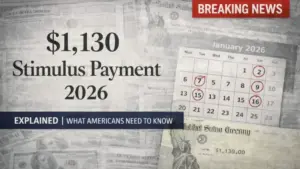
Phased Payment Windows and Expected Deposit Period
The distribution of funds is expected to follow a staggered schedule rather than a single-day release. Based on available documents, payments may begin rolling out in early January 2026 and continue through mid-January for most eligible recipients. This phased approach helps manage system load and prevents technical disruptions during high transaction volumes.
However, not all recipients will receive funds at the same time. Variations can occur due to differences in verification status, bank processing speeds, and internal review mechanisms. For example, someone with recently updated tax information may receive the deposit earlier than someone whose records require additional checks. This staggered model has been used in past programs to maintain stability in the payment system.

Role of Banks and ACH Processing in Final Credit
Once federal agencies release payments, the funds move through the Automated Clearing House (ACH) network before reaching individual bank accounts. Each bank processes incoming transfers based on its own schedule and operational policies. Some financial institutions may credit funds on the same day, while others may take an additional business day.
In real-world scenarios, this difference can create confusion. For instance, two individuals receiving payments on the same release date might see different credit times depending on their banks. Experts often note that “payment release and payment availability are not always the same,” highlighting the importance of understanding bank-specific timelines. This gap is usually short but can vary during high-volume periods.

What Happens When Payments Are Delayed
Delays, although generally limited, can occur due to multiple factors including verification mismatches, outdated banking details, or batch processing delays within financial systems. If a payment is not received within the expected window, individuals are advised to first review their tax records and bank information to ensure everything is correct.
In some cases, the funds may already be in transit but not yet reflected in the account. Contacting the bank’s customer service or ACH department can help clarify whether the transaction is pending. Keeping a record of communications and checking official updates regularly can assist in resolving such situations more efficiently. According to guidelines, patience during this phase is important as most issues are resolved within standard processing cycles.
Why This Program Matters in the Current Economic Context
Financial assistance programs like this often emerge during periods of economic adjustment, where households may be managing rising costs or temporary income disruptions. Compared to earlier relief efforts, the 2026 initiative appears more targeted and data-dependent, aiming to reach eligible individuals with greater precision.
For example, in previous stimulus rounds, broader eligibility sometimes led to delays or corrections later. The current model attempts to reduce such inefficiencies by pre-verifying data. While this may improve accuracy, it also means that individuals who have not updated their records could face delays. In practical terms, the program’s effectiveness depends not just on policy design but also on the accuracy of existing data systems.
Important Clarifications and Verification Tips for Recipients
There are several points that require careful understanding. First, not every individual will automatically qualify for the payment, as eligibility is subject to specific income and record-based criteria. Second, receiving previous federal benefits does not guarantee inclusion in the current cycle. Each case is assessed independently based on updated information.
To verify status, individuals should rely on official portals and communication channels rather than informal sources. Checking tax filing status, confirming bank details, and reviewing any notifications from federal agencies are key steps. Verification is recommended to avoid misinformation, as online discussions may not always reflect official guidelines. This cautious approach can help individuals stay informed and prepared during the rollout period.
Disclaimer: This article is based on available updates and general information as of March 2026. Details regarding eligibility, payment timelines, and processing may change as per official announcements. The content is intended for informational purposes only and should not be considered financial advice. Individuals are advised to consult official government sources or financial professionals for case-specific guidance.